Convergent evolution occurs when unrelated species evolve similar traits or structures in response to similar environmental pressures or selective pressures. This is because the similar environments select for similar adaptations, even though the organisms may be very distantly related.
Here's how it works:
1. Different species inhabit similar environments with similar challenges.
2. Natural selection favors traits that help organisms survive and reproduce in those environments.
3. Similar adaptations arise independently in different species, even though they are not related.
Examples of Analogous Structures:
* Wings of birds, bats, and insects: All three structures allow for flight, but they evolved independently in different lineages.
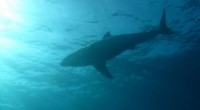
* Streamlined bodies of fish, dolphins, and penguins: These shapes help them move efficiently through water.
* Eyes of humans and octopuses: Both structures are complex, but they evolved independently from different ancestors.
Key takeaway: Analogous structures are a powerful example of how natural selection can shape organisms to fit their environment, even if they have very different evolutionary histories.