Here's a breakdown:
* Cellular respiration is a series of metabolic reactions that break down glucose (sugar) in the presence of oxygen to produce energy in the form of ATP.
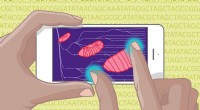
* This process occurs in the mitochondria, the powerhouses of the cell.
* ATP (adenosine triphosphate) is the primary energy currency of cells.
Cellular respiration can be divided into four main stages:
1. Glycolysis: Glucose is broken down into pyruvate, producing a small amount of ATP and NADH (a molecule that carries electrons). This stage occurs in the cytoplasm.
2. Pyruvate oxidation: Pyruvate is converted into acetyl-CoA, which enters the mitochondria.
3. Krebs cycle (Citric Acid Cycle): Acetyl-CoA is further broken down, producing more ATP, NADH, and FADH2 (another electron carrier).
4. Electron transport chain: Electrons from NADH and FADH2 are passed along a chain of proteins, releasing energy that is used to pump protons across the mitochondrial membrane. This creates a proton gradient, which is used to generate a large amount of ATP through oxidative phosphorylation.
The electron transport chain is the most efficient stage of cellular respiration, producing the majority of the ATP.
While other cellular processes like photosynthesis (in plants) can also produce ATP, cellular respiration is the primary source of energy for most living organisms.