Evolution is the gradual change in the genetic makeup of a population over time. This change occurs through the process of natural selection:
* Variation: Individuals within a population have slightly different traits.
* Inheritance: These traits can be passed on to offspring.
* Survival and Reproduction: Individuals with traits better suited to their environment are more likely to survive and reproduce.
* Adaptation: Over generations, the population becomes better adapted to its environment as beneficial traits become more common.
In simpler terms:
Imagine a group of bugs. Some are green, some are brown. The brown bugs blend better with the forest floor, making them harder for birds to see. These brown bugs are more likely to survive and have brown babies. Over time, more bugs in the population will be brown. This is evolution in action.
Key points:
* Evolution is a continuous process that is always happening.
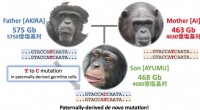
* It is driven by random mutations in DNA, which create new traits.
* It can lead to speciation, the formation of new species.
* It is a fact, not a theory. There is overwhelming scientific evidence for evolution.
Evolution is a powerful force that shapes all life on Earth. It is responsible for the incredible diversity of plants and animals we see today. Understanding evolution is essential for understanding how life works.