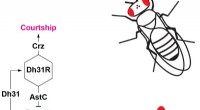
* Genes: These are segments of DNA that provide instructions for building and maintaining an organism. They come in pairs, one from each parent.
* Alleles: Different versions of the same gene are called alleles. For example, the gene for eye color might have one allele for blue eyes and another for brown eyes.
* Dominant and Recessive Traits: A dominant trait is expressed even if only one copy of the corresponding allele is present. A recessive trait requires two copies of the recessive allele to be expressed.
Examples of Recessive Traits:
* Cystic fibrosis: This is a genetic disorder affecting the lungs and digestive system, requiring two copies of the recessive gene for the condition to develop.
* Sickle cell anemia: This blood disorder, caused by a recessive gene, affects red blood cell shape and oxygen-carrying capacity.
* Phenylketonuria (PKU): This metabolic disorder, also caused by a recessive gene, prevents the body from breaking down a certain amino acid.
* Blue eyes: While this is often called a recessive trait, it's important to remember that eye color is influenced by multiple genes, making it a more complex inheritance pattern.
Important Note: The terms "dominant" and "recessive" can be misleading. They don't mean one trait is "better" than another. They simply describe the way the alleles interact to produce a trait.