Prokaryotic Cells
* Simple Structure: Lack a nucleus and other membrane-bound organelles.
* Size: Generally much smaller than animal cells (1-10 micrometers in diameter).
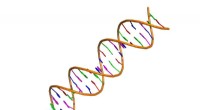
* Genetic Material: DNA is circular and located in a region called the nucleoid, not enclosed within a membrane.
* Ribosomes: Smaller than those in animal cells (70S).
* Cell Wall: Present in most prokaryotes, providing structural support.
* Other: May have flagella for movement, pili for attachment, and capsules for protection.
Animal Cells
* Complex Structure: Possess a nucleus and numerous membrane-bound organelles.
* Size: Larger than prokaryotic cells (10-100 micrometers in diameter).
* Genetic Material: DNA is linear and enclosed within a membrane-bound nucleus.
* Ribosomes: Larger than those in prokaryotic cells (80S).
* Cell Wall: Absent in animal cells.
* Other: Contain specialized organelles like mitochondria, endoplasmic reticulum, Golgi apparatus, lysosomes, etc.
Here's a table summarizing the key differences:
| Feature | Prokaryotic Cell | Animal Cell |
|---------------------|--------------------|-----------------------|
| Nucleus | Absent | Present |
| Membrane-bound organelles | Absent | Present |
| DNA structure | Circular | Linear |
| DNA Location | Nucleoid | Nucleus |
| Ribosomes | 70S | 80S |
| Cell Wall | Present (usually) | Absent |
| Size | Small (1-10 µm) | Larger (10-100 µm) |
In essence:
* Prokaryotic cells are simpler, smaller, and lack a nucleus and other internal membrane-bound organelles. They are found in bacteria and archaea.
* Animal cells are more complex, larger, and have a nucleus and various organelles, allowing for more specialized functions. They are found in all animals.