Phytoplankton: These microscopic algae are the base of the marine food web. Examples include diatoms, dinoflagellates, and coccolithophores.
Zooplankton: These tiny animals drift with ocean currents. Examples include copepods, krill, jellyfish, and larval fish.
Fish: From the tiny goby to the enormous whale shark, there are thousands of fish species adapted to life in the ocean. Examples include tuna, salmon, sharks, rays, and clownfish.
Mammals: Marine mammals, such as whales, dolphins, seals, sea lions, and manatees, are adapted to life in the water, breathing air through lungs.
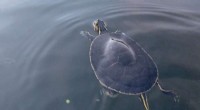
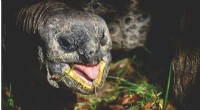
Reptiles: Sea turtles, marine iguanas, and sea snakes are some of the reptiles that have adapted to saltwater environments.
Invertebrates: This diverse group includes:
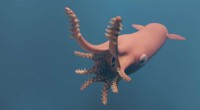
* Molluscs: Snails, oysters, clams, mussels, squids, and octopuses.
* Crustaceans: Crabs, lobsters, shrimp, barnacles, and isopods.
* Echinoderms: Starfish, sea urchins, sea cucumbers, brittle stars, and crinoids.
* Corals: These tiny animals form massive reefs that provide habitat for countless other organisms.
Other: There are many other organisms that live in saltwater, including sea anemones, jellyfish, sponges, and various algae.
This list is just a small sample of the incredible diversity of life found in saltwater environments. From the smallest plankton to the largest whales, these organisms play vital roles in the health of our planet.