Here's why:
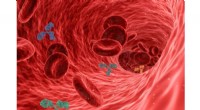
* Antigens: These are molecules, usually proteins or carbohydrates, that are recognized by the immune system as "foreign." They are present on the surface of red blood cells and determine a person's blood type.
* Antibodies: These are proteins produced by the immune system to fight off infections. They are specifically designed to bind to and neutralize antigens.
How blood type and antibody formation are linked:
1. Antigens on red blood cells: Each blood type has specific antigens on the surface of its red blood cells. For example, type A blood has A antigens, type B blood has B antigens, type AB blood has both A and B antigens, and type O blood has neither A nor B antigens.
2. Antibody production: Your immune system produces antibodies against any antigens it doesn't recognize. For example, someone with type A blood will have anti-B antibodies, while someone with type B blood will have anti-A antibodies. Type O blood has both anti-A and anti-B antibodies, and type AB blood has no antibodies against either A or B antigens.
Importance of blood type compatibility:
This system is crucial for blood transfusions. If someone receives blood from a donor with incompatible antigens, their immune system will attack the foreign red blood cells, leading to serious complications. That's why blood type compatibility is essential before any blood transfusion.