* Different Cell Types: Living organisms are incredibly diverse, and their cells reflect this diversity. From bacteria to humans, there are countless cell types, each specialized for a specific function. Here are a few examples:
* Nerve cells (neurons) have long, thin extensions that transmit electrical signals throughout the body.
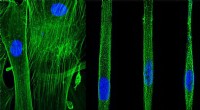
* Muscle cells are elongated and contain proteins that allow them to contract and generate movement.
* Red blood cells are disc-shaped and carry oxygen throughout the body.
* Plant cells have chloroplasts for photosynthesis and rigid cell walls for support.
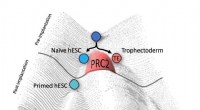
* Cellular Differentiation: During development, cells become specialized through a process called differentiation. This involves changes in gene expression, leading to the production of different proteins and the development of distinct structures and functions.
* Genetic Differences: Even cells within the same organism can have slight variations in their DNA, leading to subtle differences in their behavior.
In summary, cells are highly varied in their structure, function, and genetic makeup. This diversity is essential for the complexity and functionality of living organisms.