1. Photosynthesis:
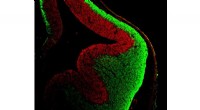
* Chlorophyll is the primary pigment in plants and algae, absorbing light energy for photosynthesis. It primarily absorbs red and blue light, reflecting green.
* Carotenoids are accessory pigments in plants, absorbing light in the blue-green region and reflecting yellow, orange, or red light. They also protect chlorophyll from photodamage.
2. Vision:
* Retinal is a pigment found in the photoreceptor cells of the eye. It absorbs light, causing changes in the shape of the molecule and triggering nerve impulses that allow us to see.
3. Coloration:
* Melanin is a pigment responsible for skin, hair, and eye color in animals. It absorbs UV radiation and provides protection from sun damage.
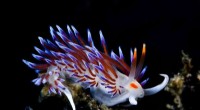
* Other pigments: Animals use a wide array of pigments for camouflage, warning coloration, attracting mates, and temperature regulation.
4. Biological Processes:
* Hemoglobin contains the pigment heme, which binds to oxygen and transports it throughout the body.
* Myoglobin in muscle cells is another heme-containing pigment that stores oxygen.
Pigments work by:
* Selective absorption: They absorb certain wavelengths of light and reflect others. The reflected wavelengths are what we perceive as the color of the pigment.
* Energy transfer: Some pigments, like chlorophyll, absorb light energy and transfer it to other molecules, initiating chemical reactions.
In summary, pigments are crucial for many biological processes, from photosynthesis and vision to coloration and oxygen transport. Their ability to absorb specific wavelengths of light and reflect others allows them to perform a wide variety of functions.