1. Amino Acid Sequence:
* Primary Structure: The most fundamental difference lies in the sequence of amino acids that make up the protein. This sequence is determined by the genetic code, and even a single amino acid change can significantly alter a protein's structure and function.
* Mutations: Changes in the DNA sequence can lead to variations in the amino acid sequence, resulting in different protein variants. These mutations can be neutral, beneficial, or detrimental to the protein's function.
2. Three-Dimensional Structure:
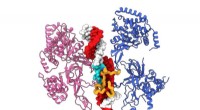
* Folding: The amino acid sequence dictates how a protein folds into its three-dimensional shape. This structure is crucial for the protein's function, as it determines which molecules it can interact with.
* Conformational Changes: Proteins can change their shape in response to various signals, allowing them to perform different tasks. These changes can be triggered by binding to other molecules, changes in pH, or temperature.
* Post-Translational Modifications: After a protein is synthesized, it can undergo modifications that alter its structure and function. These modifications include phosphorylation, glycosylation, and acetylation.
3. Function:
* Specificity: Proteins have specific functions, and these functions are determined by their structure and the molecules they interact with. For example, an enzyme might catalyze a specific reaction, while a hormone might bind to a specific receptor.
* Localization: Proteins can be located in different parts of the cell or organism, which contributes to their specific function.
4. Other Factors:
* Size: Proteins can vary in size, with some being small and others being very large.
* Stability: Some proteins are more stable than others, meaning they are less likely to denature or break down.
* Interactions: Proteins can interact with other proteins, DNA, RNA, and small molecules. These interactions contribute to their overall function.
In summary, the differences between two proteins can be attributed to a combination of factors, including their amino acid sequence, three-dimensional structure, function, and other characteristics. These differences contribute to the diversity and complexity of proteins, which are essential for life.