Here's why:
* Chloroplasts are the organelles within plant cells and some algae that are responsible for photosynthesis.
* Photosynthesis is the process of using sunlight, water, and carbon dioxide to produce food (glucose) and oxygen.
* Photoautotrophs are organisms that can produce their own food through photosynthesis, meaning they are autotrophs (self-feeders) that use light (photo) as their energy source.
Examples of photoautotrophs include:
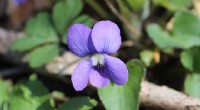
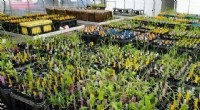
* Plants (e.g., trees, flowers, grasses)
* Algae (e.g., seaweed, phytoplankton)
* Some bacteria (e.g., cyanobacteria)
Let me know if you'd like to learn more about photosynthesis or photoautotrophs!