Here's a breakdown:
* Heterotrophs cannot produce their own food (like plants do through photosynthesis). Instead, they obtain energy by consuming other organisms or organic matter.
* They break down these complex molecules (like carbohydrates, proteins, and fats) into simpler ones, releasing energy in the process. This process is called cellular respiration.
Some examples of heterotrophs include:
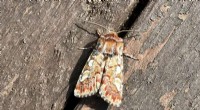
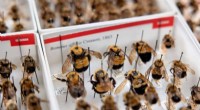
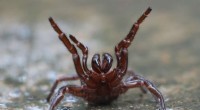
* Animals: Lions, cows, humans, insects
* Fungi: Mushrooms, yeasts, molds
* Bacteria: Many types of bacteria, including those found in our gut
Let me know if you'd like to know more about cellular respiration or heterotrophs!