Relative complexity refers to the level of organization and sophistication of an organism's structure, function, and behavior, compared to other organisms. It is a qualitative measure, rather than a precise quantitative value.
Factors Influencing Relative Complexity:
* Number of cells: Multicellular organisms are generally more complex than unicellular organisms.
* Tissue and organ differentiation: Organisms with specialized tissues and organs exhibit greater complexity.
* Organ system integration: Complex organisms have highly integrated organ systems that work together.
* Behavioral repertoire: Organisms with complex nervous systems and sophisticated behaviors are considered more complex.
* Genetic complexity: The number and arrangement of genes in an organism's genome can influence complexity.
* Developmental complexity: Organisms with complex developmental processes, such as embryogenesis, tend to be more complex.
Examples:
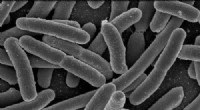
* Bacteria (simple): Unicellular, lack specialized tissues and organs, simple behavior.
* Plants (intermediate): Multicellular, have tissues and organs, limited mobility.
* Insects (intermediate): Multicellular, complex organ systems, diverse behaviors.
* Mammals (complex): Multicellular, highly specialized tissues and organs, complex nervous systems, wide range of behaviors.
Importance of Relative Complexity:
* Evolutionary understanding: Complexity reflects the evolutionary history and adaptation of organisms.
* Ecological interactions: Complexity influences an organism's role in its ecosystem.
* Biomedical research: Studying complex organisms provides insights into human health and disease.
Limitations:
* Subjectivity: Complexity is a relative concept and can be difficult to quantify objectively.
* Oversimplification: Focusing solely on complexity can overlook other important biological aspects.
* Evolutionary trade-offs: Complexity often comes with costs, such as higher energy requirements or increased susceptibility to disease.
Conclusion:
Relative complexity is a useful concept for comparing organisms and understanding their evolutionary history and adaptation. However, it is important to recognize its limitations and consider other biological factors when assessing the overall complexity of an organism.