* Obtain its own energy through processes like photosynthesis (plants) or consuming other organisms (animals).
* Reproduce and create offspring.
* Maintain homeostasis, meaning it can regulate its internal environment (temperature, pH, etc.).
* Respond to stimuli in its environment.
* Grow and develop throughout its lifespan.
Examples of independent organisms:
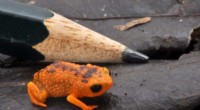
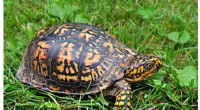
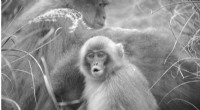
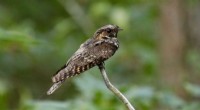
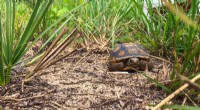
* Animals: Dogs, cats, fish, birds, insects
* Plants: Trees, flowers, ferns, algae
* Bacteria: These are single-celled organisms that can live independently.
* Fungi: Mushrooms, yeasts, molds
Important to note:
* Some organisms can be considered independent at certain stages of their life cycle, but not others. For example, a baby animal is not truly independent, as it relies on its parents for nourishment and care.
* The term "independent" can also be used to describe organisms that are not parasitic or symbiotic with other organisms. This means they do not rely on another organism for survival.
In summary: An independent organism is a self-sufficient living being that can perform all the basic functions of life on its own.