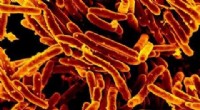
* Bacteria: These are the most common and diverse type of prokaryotes. Examples include *E. coli* (found in the gut), *Staphylococcus aureus* (causes skin infections), and *Cyanobacteria* (perform photosynthesis).
* Archaea: These are single-celled organisms that are often found in extreme environments like hot springs, salt lakes, and the human gut. Examples include *Methanogens* (produce methane gas), *Halophiles* (live in high salt concentrations), and *Thermophiles* (thrive in high temperatures).
It's important to remember that all prokaryotes share certain common features, including:
* Lack of a nucleus: Their genetic material (DNA) is not enclosed within a membrane-bound nucleus.
* Lack of membrane-bound organelles: They do not have specialized internal compartments like mitochondria or Golgi apparatus.
* Smaller size: Prokaryotes are generally much smaller than eukaryotic cells.
While prokaryotic cells are simple in structure compared to eukaryotic cells, they play crucial roles in ecosystems and human health.