Cells:
* Living: Cells are the basic unit of life, capable of carrying out all the processes necessary for survival and reproduction.
* Complex Structure: Cells are highly organized structures with various internal compartments (organelles) that perform specific functions. They possess a membrane-bound nucleus containing DNA, ribosomes for protein synthesis, and other essential components.
* Independent Function: Cells can independently grow, metabolize, and reproduce. They can synthesize their own proteins and generate energy through cellular respiration.
* Examples: Bacteria, animal cells, plant cells
Viruses:
* Non-Living: Viruses are not considered living organisms because they lack the capacity for independent growth, metabolism, and reproduction. They require a host cell to replicate.
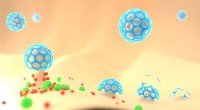
* Simple Structure: Viruses consist of a nucleic acid core (DNA or RNA) enclosed within a protein coat (capsid) and sometimes a lipid envelope. They have no internal organelles.
* Parasitic Nature: Viruses cannot reproduce on their own. They invade host cells and hijack their cellular machinery to replicate, often causing harm to the host.
* Examples: Influenza virus, HIV, Coronavirus
Key Differences:
| Feature | Cell | Virus |
|---|---|---|
| Living | Yes | No |
| Structure | Complex, with organelles | Simple, consisting of nucleic acid and protein coat |
| Reproduction | Independent | Requires host cell |
| Metabolism | Yes | No |
| Growth | Yes | No |
| Function | Perform essential life functions | Replicate and spread |
In summary:
* Cells are the basic unit of life, capable of independent function and reproduction.
* Viruses are non-living entities that require host cells for replication.
Understanding the fundamental differences between cells and viruses is crucial for comprehending infectious diseases, developing antiviral treatments, and understanding the nature of life itself.