1. Alternation of Generations: This is a reproductive cycle common in plants and some algae where organisms alternate between a haploid (one set of chromosomes) and a diploid (two sets of chromosomes) stage.
* Haploid stage: The organism produces spores through meiosis.
* Diploid stage: The organism produces gametes (sex cells) through mitosis.
2. Parthenogenesis: This is a form of reproduction where an egg develops into an embryo without fertilization by a sperm. It is common in some animals like certain insects, reptiles, and even some fish.
3. Asexual Reproduction: This involves a single parent producing genetically identical offspring. Examples include:
* Budding: A new organism develops from an outgrowth or bud on the parent.
* Fragmentation: The parent organism breaks into fragments, each capable of developing into a new individual.
* Spore Formation: Specialized cells (spores) are produced that can develop into new individuals.
4. Indirect Development: In some animals, the offspring undergo a series of transformations before reaching adulthood. This is often referred to as metamorphosis. Examples include:
* Insects: Eggs hatch into larvae, which then molt into pupae, and finally emerge as adults.
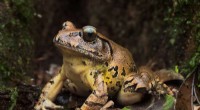
* Amphibians: Eggs hatch into tadpoles, which then undergo metamorphosis into adult frogs, toads, or salamanders.
To provide a more specific answer, please clarify the context or give more details about what you are looking for in "indirect reproduction."