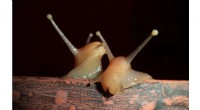
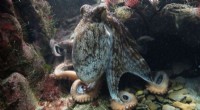
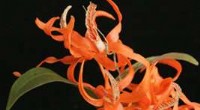
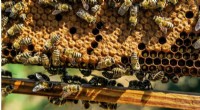
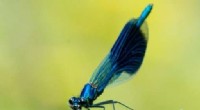
* Organisms are any living thing, including plants, animals, fungi, bacteria, and even viruses. They are typically visible to the naked eye and have complex structures and systems that allow them to perform life processes.
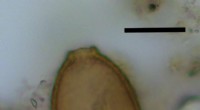
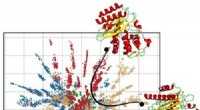
* Microorganisms are a subset of organisms that are too small to be seen without a microscope. They include bacteria, archaea, fungi, protists, and some viruses. These organisms are unicellular or multicellular but have a much simpler structure compared to larger organisms.
Here's a table summarizing the key differences:
| Feature | Organisms | Microorganisms |
|---|---|---|
| Size | Visible to the naked eye | Too small to be seen without a microscope |
| Complexity | Complex structures and systems | Simple structure, often unicellular |
| Examples | Plants, animals, fungi | Bacteria, archaea, fungi, protists, viruses |
In short: All microorganisms are organisms, but not all organisms are microorganisms. Microorganisms are simply organisms that are microscopically small.