1. Structure and Function: This focuses on understanding the molecular structure of biological molecules (like proteins, carbohydrates, lipids, and nucleic acids) and how their structure determines their function within a cell and organism. This includes studying:
* Protein structure and function: How proteins fold, how they interact with other molecules, and their roles in catalysis, transport, and signaling.
* Enzyme kinetics: Understanding how enzymes catalyze reactions and factors affecting their activity.
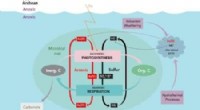
* Metabolic pathways: How cells break down and build molecules to obtain energy and synthesize essential components.
* Molecular genetics: Studying the structure and function of DNA and RNA, including gene expression, replication, and repair.
2. Cellular and Systemic Processes: This looks at how biochemical processes work together within cells and organisms as a whole. This includes:
* Cell signaling: How cells communicate with each other through chemical messengers.
* Cellular processes: Studying processes like cell division, differentiation, and apoptosis.
* Organismal physiology: Understanding how biochemical processes contribute to the function of different organs and systems in the body.
* Biotechnology and biomedicine: Applying biochemical principles to develop new drugs, therapies, and diagnostics.
It's important to note that these two perspectives are highly intertwined. Understanding the structure of a protein is essential for understanding its function, and understanding how cellular processes work requires knowledge of the underlying biochemical reactions.
In essence, biochemistry is a highly integrated field with many sub-disciplines, all working together to understand the chemistry of life.