1. Crop Improvement:
* Genetically Modified Organisms (GMOs): Biotechnology enables the genetic modification of crops to introduce desirable traits such as:
* Increased yield: Crops can be engineered to produce more fruits, grains, or other desired products.
* Improved nutritional content: GMOs can have higher levels of vitamins, minerals, or essential amino acids.
* Pest resistance: Genes from bacteria or viruses can be inserted into crops, making them resistant to specific insects or diseases.
* Herbicide tolerance: GMOs can tolerate specific herbicides, reducing the need for manual weeding and allowing for more efficient weed control.
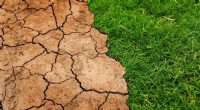
* Improved tolerance to environmental stress: Some GMOs are engineered to tolerate drought, salinity, or extreme temperatures, making them better suited for challenging environments.
* Marker-assisted selection (MAS): Biotechnology tools can identify desirable genes in plants, allowing breeders to select and crossbreed plants with higher efficiency. This accelerates the process of improving crop varieties.
* Tissue culture and micropropagation: This technique allows for the rapid multiplication of desirable plant varieties, creating disease-free and genetically uniform plants.
2. Pest and Disease Control:
* Biopesticides: Biotechnology is used to develop biopesticides derived from naturally occurring organisms, such as bacteria, fungi, or viruses. Biopesticides offer a more environmentally friendly alternative to synthetic pesticides.
* Disease-resistant crops: Biotechnology enables the development of crops that are resistant to specific diseases, reducing crop losses and minimizing the need for chemical treatments.
3. Livestock Improvement:
* Genetic enhancement: Biotechnology can be used to select and breed livestock with desirable traits such as increased milk production, leaner meat, or disease resistance.
* Disease diagnosis and treatment: Biotechnology tools enable early detection of diseases and the development of targeted treatments, improving livestock health and reducing economic losses.
4. Sustainable Agriculture:
* Reduced pesticide use: GMO crops with pest resistance contribute to reduced pesticide use, minimizing environmental pollution and health risks.
* Water conservation: Some GMOs are developed to tolerate drought conditions, promoting water conservation.
* Improved nutrient use efficiency: Biotechnology can enhance the efficiency of nutrient uptake in plants, reducing the need for fertilizers and minimizing environmental impacts.
5. Other Applications:
* Biofertilizers: Biotechnology is used to develop biofertilizers, which are microorganisms that enhance nutrient availability to plants, reducing dependence on synthetic fertilizers.
* Bioremediation: Biotechnological approaches can be used to clean up contaminated soil and water, promoting environmental sustainability.
Challenges and Concerns:
While biotechnology offers significant benefits for agriculture, it also raises ethical, environmental, and social concerns:
* Genetic engineering: Concerns about the potential risks of introducing new genes into crops, including the emergence of superweeds or pesticide-resistant insects.
* Biodiversity: Potential for the dominance of a few genetically modified crops, leading to a reduction in biodiversity.
* Intellectual property: The control of patented GMO technologies raises concerns about access to seeds and the impact on smallholder farmers.
It's important to consider the potential benefits and drawbacks of biotechnology in agriculture, ensuring its use is responsible and sustainable.