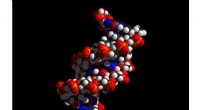
1. Atoms: The basic building blocks of all matter, including living organisms. Examples include carbon, hydrogen, oxygen, nitrogen, etc.
2. Molecules: Atoms combine to form molecules, which are the next level of organization. Examples include water (H2O), proteins, carbohydrates, and lipids.
3. Organelles: These are specialized structures within cells that carry out specific functions. Examples include the nucleus, mitochondria, ribosomes, and endoplasmic reticulum.
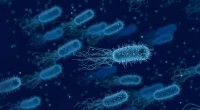
4. Cells: The fundamental unit of life, cells are enclosed by a membrane and contain genetic material. There are many different types of cells, each specialized for a particular function.
5. Tissues: Groups of similar cells that work together to perform a specific function. Examples include muscle tissue, nervous tissue, and connective tissue.
6. Organs: Structures composed of different tissues that work together to perform a more complex function. Examples include the heart, lungs, brain, and stomach.
7. Organ Systems: Groups of organs that work together to carry out a major bodily function. Examples include the digestive system, respiratory system, circulatory system, and nervous system.
8. Organism: A complete living being made up of multiple organ systems working together.
Beyond the organism:
9. Population: A group of individuals of the same species living in the same area.
10. Community: All the populations of different species that live and interact in a particular area.
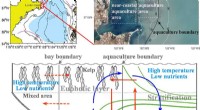
11. Ecosystem: A community of living organisms interacting with their non-living environment.
12. Biosphere: The sum of all ecosystems on Earth.
This hierarchical organization allows complex organisms to function efficiently by compartmentalizing and specializing different tasks. This is particularly important for multicellular organisms, which need to coordinate the activities of trillions of individual cells.