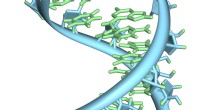
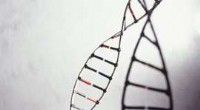
1. DNA Replication: Before mitosis begins, the cell's DNA is copied exactly. This creates two identical copies of each chromosome.
2. Chromosome Alignment: During mitosis, the duplicated chromosomes line up at the center of the cell.
3. Chromosome Separation: The duplicated chromosomes are then separated, with one copy going to each daughter cell.
4. Cell Division: The cell then divides into two daughter cells, each with a complete set of chromosomes.
Key points:
* Identical Copies: Mitosis ensures that each daughter cell receives a complete and identical copy of the parent cell's DNA.
* No Genetic Variation: Because the DNA is copied exactly, there is no genetic variation introduced between the parent cell and the daughter cells.
* Growth and Repair: Mitosis is essential for growth, development, and repair in multicellular organisms. It allows for the creation of new cells that are genetically identical to the existing ones.
In summary, mitosis produces genetically identical daughter cells because the process involves making exact copies of the parent cell's DNA and distributing those copies evenly between the two new cells.