1. Structure:
* Shape: Cells can be spherical, cuboidal, columnar, elongated, flat, or even irregular. Their shape reflects their function.
* Size: Cells vary in size from microscopic bacteria to large egg cells.
* Organelles: The types and number of organelles present in a cell vary based on its role. For example, muscle cells have many mitochondria for energy production, while nerve cells have extensive networks of axons and dendrites for communication.
2. Function:
* Specialized roles: Cells are highly specialized to perform specific functions within an organism. For example:
* Muscle cells: Contract to enable movement.
* Nerve cells: Transmit signals throughout the body.
* Blood cells: Transport oxygen and fight infection.
* Plant cells: Photosynthesize to create energy, provide structural support.
3. Origin:
* Embryonic development: Cells develop from a single fertilized egg and differentiate into different types during embryonic development.
* Stem cells: Some cells retain the ability to differentiate into multiple cell types, acting as building blocks for the organism.
4. Genetic differences:
* Mutations: Although all cells in an organism share the same DNA, mutations can occur in individual cells, leading to genetic variations.
* Epigenetics: Environmental factors can influence gene expression, leading to differences in the proteins produced by cells even with identical DNA.
Examples of cell diversity:
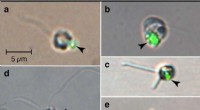
* Prokaryotic vs. Eukaryotic cells: These are two fundamental cell types with significant structural differences (e.g., presence or absence of a nucleus, membrane-bound organelles).
* Animal vs. Plant cells: These cell types differ in their cell wall, chloroplasts, and vacuoles.
* Different types of neurons: There are many types of neurons specialized for different functions, such as sensory neurons, motor neurons, and interneurons.
In summary, cell diversity is a fundamental principle in biology, allowing for the complex organization and functionality of living organisms.