Living Organisms:
* Cellular Structure: Made up of one or more cells, the basic units of life.
* Metabolism: Carry out chemical reactions to obtain and use energy. This includes processes like respiration, photosynthesis, and digestion.
* Growth and Development: Increase in size and complexity over time.
* Reproduction: Produce offspring.
* Adaptation: Can evolve and change over generations in response to their environment.
* Response to Stimuli: React to changes in their surroundings (light, temperature, touch, etc.)
* Homeostasis: Maintain a stable internal environment despite external changes.
Dead Things:
* Were once living organisms. They possess the characteristics of living organisms *at one point in time*.
* No longer exhibit the signs of life: No metabolism, growth, reproduction, response to stimuli, etc.
* Decompose: Break down into simpler substances over time.
Non-Living Things:
* Lack the characteristics of living organisms: They were never alive and never will be.
* No cells: Made up of non-cellular materials.
* No metabolism: Do not carry out chemical reactions associated with life.
* No growth or development: Do not increase in size or complexity.
* No reproduction: Do not produce offspring.
* No response to stimuli: Do not react to changes in their surroundings.
Examples:
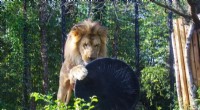
* Living organisms: Plants, animals, bacteria, fungi
* Dead things: A dead tree, a dried-up leaf, a skeleton
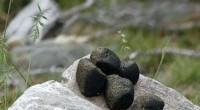
* Non-living things: Rocks, water, air, a chair, a computer
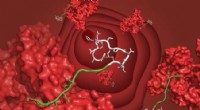
Important Note: The line between living and non-living can be blurry in some cases, especially when considering viruses. Viruses are considered non-living by many scientists because they do not have cells and cannot reproduce on their own. However, they can replicate within a host cell, which blurs the boundaries.