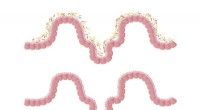
* Symbiosis: This is a broad term describing any relationship between two different species living in close proximity. These relationships can be beneficial, harmful, or neutral for the organisms involved.
* Parasitism: This is a specific type of symbiosis where one organism (the parasite) benefits at the expense of the other organism (the host). The parasite often lives on or in the host and may cause harm or even death to the host.
Key Differences:
* Benefit vs. Harm: In symbiosis, the relationship can be mutually beneficial (mutualism), beneficial for one and neutral for the other (commensalism), or beneficial for one and harmful for the other (parasitism).
* Specificity: While symbiosis is a broad term encompassing various interactions, parasitism specifically refers to a relationship where one organism benefits at the expense of the other.
Examples:
* Symbiosis:
* Mutualism: Bees and flowers (bees get nectar, flowers get pollinated)
* Commensalism: Barnacles on whales (barnacles get a place to live, whales are unaffected)
* Parasitism:
* Tapeworms: Live in the intestines of animals, absorbing nutrients from their host, causing malnutrition.
* Ticks: Feed on the blood of animals, transmitting diseases in the process.
In summary, parasitism is a specific type of symbiotic relationship where one organism benefits at the expense of the other. It's important to recognize the difference in the context of these relationships.