1. Based on energy source:
* Photoautotrophs: Organisms that use sunlight as their energy source (e.g., plants, algae).
* Chemoautotrophs: Organisms that use chemical energy from inorganic compounds as their energy source (e.g., some bacteria).
* Heterotrophs: Organisms that obtain energy by consuming other organisms (e.g., animals, fungi).
2. Based on interactions between organisms:
* Symbiosis: A close and often long-term interaction between two different biological species. This can be further broken down into:
* Mutualism: Both species benefit from the interaction (e.g., bees and flowers).
* Commensalism: One species benefits, while the other is neither harmed nor helped (e.g., barnacles on a whale).
* Parasitism: One species benefits at the expense of the other (e.g., tapeworms in a human).
* Competition: When two or more organisms need the same limited resource (e.g., two lions fighting for the same prey).
* Predation: One organism (the predator) kills and consumes another (the prey) (e.g., a lion hunting a zebra).
3. Based on the environment:
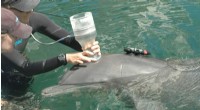
* Aquatic life: Organisms that live in water (e.g., fish, whales, algae).
* Terrestrial life: Organisms that live on land (e.g., mammals, insects, plants).
* Extremophiles: Organisms that thrive in extreme environments, such as very hot or very cold temperatures, high salinity, or intense pressure (e.g., bacteria living in hot springs or deep-sea vents).
4. Based on complexity:
* Unicellular: Organisms consisting of a single cell (e.g., bacteria, amoeba).
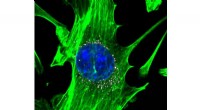
* Multicellular: Organisms made up of many cells (e.g., humans, plants, animals).
5. Based on evolutionary history:
* Prokaryotes: Organisms lacking a membrane-bound nucleus (e.g., bacteria, archaea).
* Eukaryotes: Organisms with a membrane-bound nucleus (e.g., animals, plants, fungi).
It's important to note that these are just some ways to classify life. There are many other perspectives and classifications depending on the specific area of study.