1. Adaptations:
* Physical Adaptations: These are structural features that help an organism survive. Examples include:
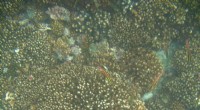
* Camouflage: Allows an organism to blend into its surroundings, protecting it from predators or allowing it to ambush prey.
* Sharp teeth and claws: Help predators capture and kill prey.
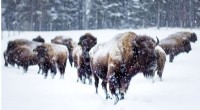
* Thick fur or feathers: Provide insulation against cold temperatures.
* Webbed feet: Allow aquatic animals to swim efficiently.
* Physiological Adaptations: These are internal processes that help an organism survive. Examples include:
* Hibernation: A state of inactivity during cold periods, conserving energy.
* Poisonous venom: Used for defense or hunting.
* Efficient water conservation: Allows organisms to survive in arid environments.
* Behavioral Adaptations: These are actions or patterns of behavior that help an organism survive. Examples include:
* Migration: Moving to more favorable environments seasonally.
* Social behavior: Living in groups for protection and hunting.
* Nesting: Providing a safe place to raise young.
2. Competition and Resources:
* Competition for resources: Organisms compete for food, water, shelter, mates, and other resources. Those better adapted to acquire these resources have a higher chance of survival.
* Resource availability: The abundance of resources in an environment directly influences an organism's survival. Organisms adapted to environments with limited resources are better equipped to survive.
3. Predation and Disease:
* Predator-prey interactions: An organism's ability to avoid predators or effectively hunt prey is crucial for survival.
* Disease resistance: Organisms with stronger immune systems are better able to resist infections and diseases, increasing their chances of survival.
4. Environmental Change:
* Adaptability: Organisms that can adapt to changes in their environment, such as variations in climate or food sources, are more likely to survive.
* Genetic diversity: A diverse gene pool within a population allows for greater adaptability to changing environments.
5. Chance and Luck:
* Random events: Sometimes, random events, like natural disasters or disease outbreaks, can drastically affect an organism's survival regardless of its adaptations.
It's important to remember that "better" is relative. What makes an organism successful in one environment might be detrimental in another. Ultimately, survival is a complex interplay of factors, and the organism best suited to its particular environment will have the highest chance of thriving.