1. Salinity: The salt concentration of the water is a major factor for marine life. Many organisms are adapted to specific salinity levels, and fluctuations can be detrimental. For instance, freshwater fish cannot survive in saltwater, and vice versa.
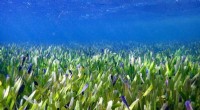
2. Sunlight: Light penetration is crucial for photosynthesis, which forms the base of the marine food web. Sunlight can only penetrate a certain depth in the ocean, creating distinct zones with different communities of organisms. The photic zone, where sunlight reaches, supports a vast array of life. The aphotic zone, where sunlight cannot penetrate, supports life adapted to darkness and relying on chemosynthesis.
Other significant abiotic factors in marine biomes include:
* Temperature: Water temperature varies with depth and latitude, impacting metabolic rates and distribution of species.
* Dissolved Oxygen: Oxygen levels vary based on water depth, currents, and biological activity.
* Nutrients: The availability of nutrients like nitrates, phosphates, and silicates influences primary productivity and supports diverse ecosystems.
Remember that these factors are often interconnected and influence each other.