Here's a breakdown of the key components of an embryo:
1. Cells:
* Totipotent cells: These cells are found in the very early embryo and have the potential to develop into any cell type in the body, including the placenta.
* Pluripotent cells: These cells are found in the inner cell mass of the blastocyst and can develop into any cell type in the body, but not the placenta.
* Multipotent cells: These cells are found in later stages of development and have a more limited developmental potential, but can still differentiate into multiple cell types within a specific lineage (e.g., blood stem cells).
2. Germ Layers:
* Ectoderm: The outer layer, which forms the skin, nervous system, and sense organs.
* Mesoderm: The middle layer, which forms the muscles, bones, blood, and circulatory system.
* Endoderm: The inner layer, which forms the digestive system, respiratory system, and various internal organs.
3. Other Components:
* Amniotic sac: A fluid-filled sac that surrounds and protects the developing embryo.
* Yolk sac: A sac that provides nourishment to the embryo in the early stages of development.
* Placenta: An organ that connects the embryo to the mother's body and provides oxygen and nutrients, and removes waste products.
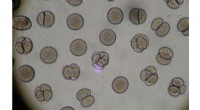
Note: The composition of an embryo changes drastically throughout development. The early embryo is a simple ball of cells, but as development progresses, the cells specialize and organize into complex tissues and organs.