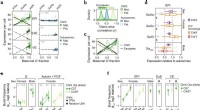
1. Cellular and Molecular Biology: This branch focuses on the fundamental building blocks of life: cells and their components. It explores topics like cell structure, function, genetics, DNA, protein synthesis, and the mechanisms of cell signaling.
2. Organismal Biology: This area deals with individual organisms and their life processes. It includes fields like:
* Zoology: The study of animals.
* Botany: The study of plants.
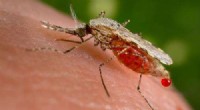
* Microbiology: The study of microorganisms like bacteria, viruses, and fungi.
* Anatomy: The study of the structure of organisms.
* Physiology: The study of the function of organisms.
* Ecology: The study of how organisms interact with their environment.
3. Evolutionary Biology: This branch explores the history of life on Earth and the processes that have led to the diversity of organisms we see today. It includes topics like natural selection, adaptation, speciation, and phylogeny.
4. Biotechnology and Genomics: This rapidly evolving field focuses on applying biological knowledge to solve problems in medicine, agriculture, and industry. It includes areas like:
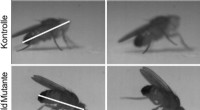
* Genetic Engineering: Manipulating DNA to create organisms with desired traits.
* Bioinformatics: Analyzing and interpreting biological data using computational tools.
* Synthetic Biology: Designing and building new biological systems.
It's important to remember that these are broad categories and there's considerable overlap between them. Additionally, many specialized sub-fields exist within each of these major areas.