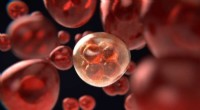
* In Vivo: The Latin phrase literally means "within the living." This type of experiment studies how a treatment, drug, or other factor affects a living organism.
* Examples: Clinical trials with humans, animal studies (like testing a new drug on rats), and even research on plants in their natural environment would all be considered in vivo.
Why it matters:
* Real-world conditions: In vivo experiments provide more realistic data about how something works than studies done in a test tube or petri dish (in vitro).
* Complex interactions: Living organisms are complex systems. In vivo experiments help us understand how different parts of the system interact and how a treatment affects the whole organism.
* Ethical considerations: In vivo experiments involving animals are ethically regulated to ensure minimal harm and benefit to the animals.
In contrast:
* In vitro experiments are performed outside of a living organism, often in a laboratory setting. They are valuable for studying specific cellular processes or reactions but might not fully reflect how things happen in the complex environment of a living being.