Major Divisions:
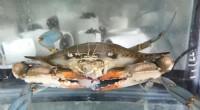
1. Zoology: The study of animals.
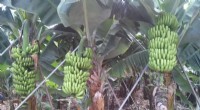
2. Botany: The study of plants.
3. Microbiology: The study of microorganisms, including bacteria, viruses, fungi, and protists.
4. Ecology: The study of how organisms interact with each other and their environment.
5. Genetics: The study of heredity and how traits are passed from parents to offspring.
6. Evolutionary Biology: The study of the origin and diversification of life on Earth.
Sub-Disciplines:
Focusing on Specific Organisms:
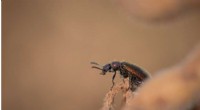
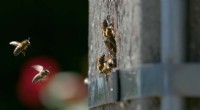
7. Entomology: The study of insects.
8. Ornithology: The study of birds.
9. Ichthyology: The study of fish.
10. Herpetology: The study of amphibians and reptiles.
11. Mammalogy: The study of mammals.
Focusing on Specific Systems or Processes:
12. Anatomy: The study of the structure of living organisms.
13. Physiology: The study of the functions of living organisms.
14. Cell Biology: The study of cells, the basic unit of life.
15. Molecular Biology: The study of the molecules that make up living organisms, such as DNA and proteins.
16. Biochemistry: The study of the chemical processes that occur in living organisms.
17. Biophysics: The application of physics to biological systems.
18. Immunology: The study of the immune system.
19. Neurobiology: The study of the nervous system.
20. Developmental Biology: The study of how organisms develop from a single cell.
21. Paleontology: The study of prehistoric life.
Other Specialized Fields:
22. Biotechnology: The application of biological principles to create products and technologies.
This list is not exhaustive, and many other branches and sub-branches exist within the vast field of biology.