1. Visual Identification:
* Field guides: Illustrated books or online resources with descriptions and images of species, often organized by region or habitat.
* Expert knowledge: Individuals with specialized knowledge of specific taxa can often visually identify species based on their morphology, behavior, or habitat.
2. Morphological Analysis:
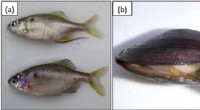
* Physical characteristics: Examining the size, shape, color, and other physical features of an organism.
* Microscope: Using a microscope to examine minute details of the organism's anatomy, such as scales, hairs, or pollen grains.
* Dissecting tools: Tools for dissecting organisms to examine internal structures.
3. Genetic Analysis:
* DNA barcoding: Using specific DNA sequences to identify species.
* Phylogenetic analysis: Comparing DNA sequences to understand evolutionary relationships between species.
4. Acoustic Analysis:
* Sounds: Identifying species based on their vocalizations, such as bird songs or whale calls.
* Sonar: Using sound waves to detect and identify species in aquatic environments.
5. Chemical Analysis:
* Scent: Some species can be identified based on their unique scents, such as flowers or insects.
* Chemical compounds: Analyzing the presence of specific chemicals or substances in an organism.
6. Artificial Intelligence:
* Image recognition: Using computer algorithms to analyze images and identify species.
* Machine learning: Training computers to recognize patterns and identify species based on various data points.
Examples of Species Identifiers:
* iNaturalist: A citizen science platform where users can upload photos of organisms and receive help identifying them.
* Merlin Bird ID: An app that uses sound recordings and photos to identify bird species.
* Seek: A nature identification app powered by iNaturalist.
Importance of Species Identification:
* Conservation: Understanding species distribution and abundance is crucial for conservation efforts.
* Research: Identifying species is essential for scientific studies, such as biodiversity surveys or ecological research.
* Education: Identifying species helps us learn about the natural world and appreciate its diversity.
* Management: Identifying invasive species or pests is important for preventing ecological damage and economic losses.
Overall, species identifiers are valuable tools for understanding and managing the biodiversity of our planet.