1. Building Blocks:
* Carbohydrates: Provide energy, structural support (like cell walls in bacteria), and act as storage molecules. Examples: glucose, starch, cellulose.
* Lipids (fats and oils): Store energy, form cell membranes, and provide insulation. Examples: phospholipids, triglycerides.
* Proteins: Carry out a wide range of functions including enzymatic catalysis, transport, structural support, defense, and communication. Examples: enzymes, antibodies, cytoskeletal proteins.
* Nucleic Acids (DNA and RNA): Carry genetic information and direct protein synthesis.
2. Essential Components:
* Enzymes: Catalyze biochemical reactions, allowing the cell to efficiently perform essential processes.
* Hormones: Act as chemical messengers, regulating growth, development, and metabolism.
* Pigments: Absorb light energy for photosynthesis or provide color for camouflage or communication.
3. Specialized Functions:
* Toxins: Defend against predators or competitors.
* Antibiotics: Inhibit the growth of other microorganisms.
* Biofilms: Allow organisms to attach to surfaces and form communities.
Examples:
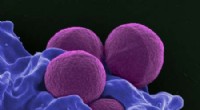
* Bacteria: Utilize carbohydrates for energy, synthesize proteins for essential functions, and use lipids for membrane formation.
* Protists: Utilize pigments for photosynthesis, use carbohydrates for energy storage, and have specialized proteins for movement.
* Yeast: Ferment sugars into alcohol and carbon dioxide, synthesize proteins for cellular processes, and use lipids for energy storage.
Overall, organic molecules provide the building blocks, essential components, and specialized tools for unicellular organisms to survive, grow, reproduce, and interact with their environment.