Understanding the Concepts
* Genotype: The genetic makeup of an organism, represented by the combination of alleles (different versions of a gene) it carries.
* Phenotype: The observable characteristics of an organism, resulting from the interaction of its genotype and the environment.
How Different Genotypes Can Lead to the Same Phenotype
1. Incomplete Dominance:
* One allele is not completely dominant over the other.
* The heterozygous genotype produces an intermediate phenotype.
* Example: Flower color in snapdragons. A red flower (RR) crossed with a white flower (WW) produces pink flowers (RW).
2. Codominance:
* Both alleles are expressed equally in the phenotype.
* The heterozygote displays both traits.
* Example: Blood type in humans. AB blood type is codominant, meaning individuals with both A and B alleles express both traits.
3. Epistasis:
* One gene masks the expression of another gene.
* Example: Labrador Retriever coat color. The gene for coat color (black or brown) is epistatic to the gene for pigment deposition (black or yellow). A dog with a recessive allele for pigment deposition will have a yellow coat, regardless of the alleles it carries for coat color.
4. Polygenic Inheritance:
* Traits determined by multiple genes.
* The cumulative effect of these genes can lead to a continuous range of phenotypes.
* Example: Human height and skin color are influenced by multiple genes.
5. Environmental Influence:
* The environment can influence the expression of genes, leading to phenotypic variation.
* Example: The Himalayan rabbit's coat color is influenced by temperature. Its fur is darker in colder areas due to the production of melanin, while it's lighter in warmer areas.
Examples of Organisms with Different Genotypes and Same Phenotype
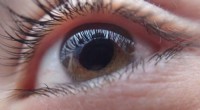
* Human Eye Color: Individuals with genotypes BB (brown) and Bb (brown) will both have brown eyes, despite carrying different alleles.
* Plant Height: Two pea plants, one homozygous dominant (TT) and one heterozygous (Tt), might both be tall, even though their genotypes differ.
* Fruit Color: A red pepper plant with a genotype of RR (red) and another with a genotype of Rr (red) would both produce red peppers.
Key Point: While genotype determines the potential for a phenotype, the actual phenotype is a result of the complex interaction between genes and the environment.