1. Free Radicals:
* Definition: Free radicals are highly reactive molecules with unpaired electrons in their outer shell. This makes them unstable and eager to react with other molecules to gain stability.
* Formation: They can form naturally during normal metabolic processes or due to external factors like pollution, radiation, and smoking.
* Effects: Free radicals can damage cells, proteins, and DNA, contributing to aging and diseases like cancer, heart disease, and Alzheimer's disease.
* Antioxidants: Substances like vitamins C and E can neutralize free radicals, preventing their harmful effects.
2. Radical Change:
* Definition: This refers to a significant and sudden change in a biological system. This change can be positive or negative, depending on the context.
* Examples:
* Evolutionary radical changes: Major shifts in species over time, like the development of wings in birds or the evolution of photosynthesis.
* Medical radical changes: Breakthroughs in treatments or cures for diseases, like the discovery of antibiotics or gene therapy.
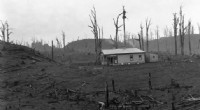
* Environmental radical changes: Significant alterations in ecosystems, such as deforestation or climate change.
It's important to note that the meaning of "radical" in biology depends on the context. You can determine the specific meaning by looking at the surrounding information and considering the broader topic.
Let me know if you'd like more information on either type of biological radical!