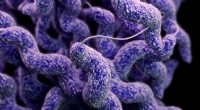
Prokaryotic cells are simpler, smaller cells that lack a nucleus and other membrane-bound organelles. They are found in single-celled organisms like bacteria and archaea.
Eukaryotic cells are more complex, larger cells that have a nucleus and other membrane-bound organelles. They make up all multicellular organisms like plants, animals, fungi, and protists.
Here's a table highlighting the key differences:
| Feature | Prokaryotic Cell | Eukaryotic Cell |
|---|---|---|
| Size | Smaller (1-10 µm) | Larger (10-100 µm) |
| Nucleus | Absent | Present, containing DNA |
| Organelles | No membrane-bound organelles | Many membrane-bound organelles (e.g., mitochondria, Golgi apparatus, endoplasmic reticulum) |
| DNA | Single, circular DNA molecule in cytoplasm | Multiple, linear DNA molecules within the nucleus |
| Ribosomes | Smaller (70S) | Larger (80S) |
| Cell Wall | Present (usually peptidoglycan) | Present in plants, fungi, and some protists (cellulose, chitin) |
| Flagella | Simple, composed of flagellin protein | Complex, composed of microtubules |
| Reproduction | Asexual (binary fission) | Mostly sexual (meiosis and fertilization), but some asexual reproduction |
In a nutshell:
* Prokaryotic cells are basic and efficient, with their DNA floating freely in the cytoplasm. They are often found in extreme environments and are crucial for many biological processes.
* Eukaryotic cells are more complex and compartmentalized, with their DNA safely stored in the nucleus and various organelles performing specialized functions. This complexity allows for the development of multicellular organisms with diverse abilities.
Let me know if you want a deeper dive into any specific differences or aspects!