Organisms have developed incredible adaptations to thrive in the unique and challenging conditions of various biomes. Here are some examples:
1. Temperature:
* Hot Deserts:
* Behavioral: Nocturnal activity, seeking shade during the day.
* Physiological: Sweat glands, efficient cooling mechanisms.
* Structural: Light color for reflection, large ears for heat dissipation.
* Cold Tundra:
* Behavioral: Hibernation, migration.
* Physiological: Thick layers of fat, high metabolic rate.
* Structural: Thick fur, small ears, compact body shape.
* Tropical Rainforests:
* Physiological: Efficient water absorption and retention.
* Structural: Large leaves for catching sunlight, strong root systems.
2. Water Availability:
* Deserts:
* Physiological: Efficient water conservation through concentrated urine, reduced sweating.
* Structural: Deep roots for reaching groundwater, water-storing tissues.
* Rainforests:
* Physiological: Efficient water absorption through leaves.
* Structural: Drip tips to shed excess water, buttress roots for stability.
3. Sunlight:
* Forests:
* Structural: Tall trees for reaching sunlight, adapted leaves for light absorption.
* Grasslands:
* Structural: Grasses with shallow roots for quick growth in open areas.
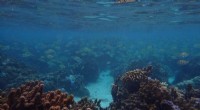
* Oceans:
* Physiological: Photosynthesis adaptations for low light penetration in deep water.
* Structural: Bio-luminescence for attracting prey or mates in deep sea.
4. Food Availability:
* Deserts:
* Behavioral: Migration for better foraging opportunities.
* Physiological: Digestive systems adapted for low-nutrient food.
* Oceans:
* Physiological: Filter feeding for plankton, carnivorous adaptations for prey capture.
* Structural: Camouflage for ambush predators, fast swimming for chasing prey.
5. Predators and Competition:
* All Biomes:
* Behavioral: Camouflage, mimicry, warning coloration.
* Physiological: Poisons, venom, increased speed and agility.
* Structural: Spines, sharp claws, protective shells.
Specific Adaptations:
* Arctic: Polar bears have thick blubber for insulation and white fur for camouflage in the snow.
* Rainforests: Tree frogs have suction cups on their toes for climbing smooth surfaces, while some insects have camouflage patterns for blending in.
* Savannas: Zebras have stripes for confusing predators and gazelles have long legs for running quickly.
Remember: These are just a few examples, and there are countless other adaptations that organisms have developed to survive in different biomes. Understanding these adaptations helps us appreciate the incredible diversity and resilience of life on Earth.