1. Proteins: Proteins are the workhorses of the cell and provide the primary structural framework for tissues and organs.
* Structural Proteins: These proteins form the building blocks of cells, tissues, and organs. Examples include collagen, elastin, keratin, and actin. Collagen provides strength and flexibility to connective tissues like tendons and ligaments. Elastin allows tissues to stretch and recoil. Keratin provides structural support to skin, hair, and nails. Actin is a key component of the cytoskeleton, providing structure and support within cells.
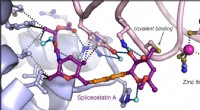
* Enzymes: These proteins act as catalysts for metabolic reactions, speeding up biochemical processes within cells. They play a vital role in breaking down nutrients, building complex molecules, and carrying out numerous other essential functions.
2. The Cytoskeleton: This intricate network of protein filaments within cells provides structural support, aids in cell movement, and helps transport materials within the cell. The cytoskeleton is essential for maintaining cell shape, anchoring organelles, and facilitating cell division.
How they work together:
* Structural proteins provide the scaffold, while enzymes facilitate the metabolic reactions that keep the cell alive and functioning.
* The cytoskeleton acts as a dynamic transportation system, allowing the efficient movement of materials and organelles within the cell.
Therefore, both proteins (structural and enzymes) and the cytoskeleton are crucial for providing structure and carrying out cell metabolism.