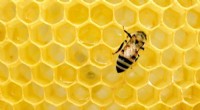
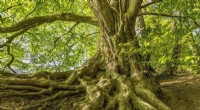
1. Biotic Components: These are the living organisms within the ecosystem. This includes plants, animals, fungi, bacteria, and all other living things. They interact with each other in complex ways, forming food webs and influencing population dynamics.
2. Abiotic Components: These are the non-living components of the ecosystem. This includes factors like:
* Sunlight: Provides energy for photosynthesis.
* Water: Essential for all living organisms.
* Temperature: Influences the distribution of species.
* Soil: Provides nutrients and support for plants.
* Air: Provides oxygen and carbon dioxide for respiration.
* Minerals: Essential for plant growth.
* pH: Affects the availability of nutrients and the survival of organisms.
The interaction between these biotic and abiotic components creates a dynamic and interconnected system. Changes in one component can have significant effects on the entire ecosystem.