1. Chromatin: This is the uncoiled form of DNA, which is organized with proteins called histones. It looks like a tangled mess of threads under a microscope.
2. Nucleolus: This is a dense region within the nucleus where ribosomes are assembled. It's the site of rRNA (ribosomal RNA) synthesis and processing.
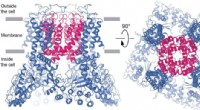
3. Nuclear Envelope: This is a double membrane that encloses the nucleus. It's studded with nuclear pores, which act as channels for the transport of molecules between the nucleus and the cytoplasm.
4. Nuclear Lamina: This is a network of protein filaments that lines the inner surface of the nuclear envelope. It helps to maintain the shape of the nucleus and provides structural support.
5. Nuclear Matrix: This is a network of protein fibers that extends throughout the nucleus. It helps to organize the chromatin and other nuclear components.
Additionally, the nucleus also contains:
* Transcription factors: These are proteins that bind to DNA and regulate gene expression.
* RNA polymerase: This is an enzyme that synthesizes RNA from DNA.
* Splicing factors: These are proteins that help to process pre-mRNA into mature mRNA.
* Other proteins and enzymes: These are involved in a variety of nuclear functions, such as DNA replication, repair, and transcription.
The nucleus is a complex and vital organelle that plays a crucial role in the life of a eukaryotic cell. Its components work together to ensure the accurate storage, replication, and expression of the cell's genetic information.