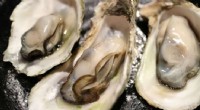
1. Physical Characteristics:
* Morphology: This is the study of the form and structure of organisms. It involves looking at features like:
* External anatomy: Size, shape, color, number of limbs, wings, etc.
* Internal anatomy: Structure of organs, bones, etc.
* Physiology: This focuses on how an organism functions, including:
* Metabolism: The chemical processes that sustain life.
* Movement: How an organism moves.
* Reproduction: How an organism reproduces.
2. Genetic Characteristics:
* DNA Sequence: Analyzing the genetic code of an organism can reveal close relationships, even if organisms look very different.
* Protein Structure: Comparing the structure of proteins can also reveal evolutionary relationships.
3. Evolutionary Relationships:
* Fossil Record: Studying fossils helps us understand how organisms have changed over time, and how different species are related.
* Phylogenetic Trees: These diagrams show the evolutionary history of a group of organisms based on their shared characteristics.
4. Behavioral Characteristics:
* Social Behavior: How organisms interact with each other, including mating, communication, and group dynamics.
* Feeding Habits: What an organism eats, how it hunts, and its place in the food web.
5. Ecological Characteristics:
* Habitat: Where an organism lives, and the environmental conditions it needs to survive.
* Niche: The role an organism plays in its ecosystem, including its interactions with other species.
By combining information from these various sources, scientists are able to create a comprehensive classification system for the incredible diversity of life on Earth.