Selective breeding, also known as artificial selection, is a process where humans intentionally choose individuals with desirable traits to breed together. This process influences the allele frequencies in a population over time, leading to changes in the overall genetic makeup of the species.
Here's how it works in terms of alleles:
1. Allele Variation: All organisms carry two copies of each gene, called alleles. These alleles can be different versions of the same gene, contributing to variations in traits. For example, a gene for flower color might have one allele for red flowers and another for white flowers.
2. Desired Traits: Humans choose individuals with specific desirable traits for breeding. These traits are often determined by specific alleles. For instance, breeders might select cows that produce more milk, or dogs with specific coat colors.
3. Increased Frequency of Desirable Alleles: By preferentially breeding individuals with these desirable traits, the frequency of the alleles responsible for those traits increases in the population. The alleles for undesirable traits become less common.
4. Changes in Phenotype: Over generations, this continued selection leads to a population with a higher frequency of the desirable phenotype, the observable characteristics of the organism. This is because the desirable alleles are now more likely to be passed down to offspring.
Example: Imagine a population of dogs with a gene for coat color, where the allele for brown fur (B) is dominant over the allele for white fur (b). Let's say a breeder wants to create a line of white dogs.
* Initial Population: The population might have a mix of brown and white dogs.
* Selective Breeding: The breeder only allows white dogs to reproduce, removing all brown dogs from the breeding pool.
* Result: Over time, the frequency of the 'b' allele for white fur increases, while the frequency of the 'B' allele for brown fur decreases. Eventually, the population may consist primarily of white dogs.
Consequences:
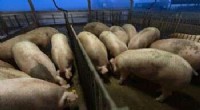
* Beneficial: Selective breeding can be used to improve agricultural yields, enhance livestock productivity, and develop new breeds of animals with desired characteristics.
* Negative: It can also lead to unintended consequences like reduced genetic diversity, increased susceptibility to diseases, and ethical concerns about animal welfare.
Key takeaway: Selective breeding is a powerful tool that manipulates the allele frequencies in a population by favoring individuals with specific traits, resulting in changes to the genetic makeup of the species over generations.