Basic Tissues:
* Epithelial cells: These cells form linings and coverings for organs and cavities. Examples include skin cells, cells lining the digestive tract, and cells lining blood vessels.
* Connective tissue cells: These cells provide support and structure to the body. Examples include fibroblasts (produce collagen), chondrocytes (in cartilage), osteocytes (in bone), and blood cells.
* Muscle cells: These cells are responsible for movement. There are three types: skeletal muscle cells (voluntary movement), smooth muscle cells (involuntary movement in organs), and cardiac muscle cells (heart muscle).
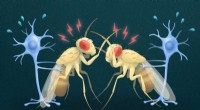
* Nervous cells (neurons): These cells transmit electrical signals throughout the body, allowing for communication and coordination.
Specialized Cells:
* Red blood cells (erythrocytes): These cells carry oxygen throughout the body.
* White blood cells (leukocytes): These cells fight infection.
* Platelets: These cells help in blood clotting.
* Sperm cells: Male reproductive cells.
* Egg cells (ova): Female reproductive cells.
* Pancreatic cells: Produce insulin and glucagon to regulate blood sugar.
* Liver cells (hepatocytes): Perform many vital functions, including detoxification, protein synthesis, and bile production.
* Kidney cells: Filter waste products from the blood.
* Brain cells (neurons): Responsible for thought, memory, and other brain functions.
This is just a small sampling of the many types of cells found in the human body. The complexity and diversity of cells are truly remarkable!