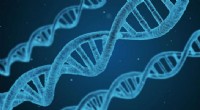
* Evolution is a change in the genetic makeup of a population over time. This means that the frequency of different genes within a population changes.
* Individuals do not evolve. An individual's genetic makeup remains the same throughout its lifetime. While an individual might develop adaptations in response to its environment, these changes are not passed down to its offspring.
* Evolutionary changes occur through natural selection. This process favors individuals with traits that make them better suited to their environment. These individuals are more likely to survive and reproduce, passing on their advantageous genes to their offspring. Over time, the genes for these traits become more common in the population, leading to a change in the population's overall genetic makeup.
In summary:
* Individuals are born with their genes. They may experience changes during their lives, but these changes are not inherited.
* Populations evolve. Over many generations, changes in gene frequencies within a population can lead to the evolution of new traits or even new species.
Here's an analogy:
Imagine a population of butterflies. Some butterflies have wings that are better camouflaged in their environment. These butterflies are less likely to be eaten by predators, so they survive and reproduce more often, passing on their genes for camouflaged wings. Over time, the population will have more butterflies with camouflaged wings, indicating evolution has occurred.
It's important to understand that individuals are parts of a population, and their actions, like surviving and reproducing, contribute to the overall evolutionary trajectory of the population.