1. Pollination: Many flowering plants rely on animals, particularly insects, birds, and bats, to transfer pollen from one flower to another, enabling fertilization and the production of seeds. This process, known as pollination, is crucial for the reproduction and survival of many plant species.
2. Seed dispersal: Animals play a significant role in dispersing seeds away from the parent plant, allowing for colonization of new areas and reducing competition for resources. This can happen through:
* Endozoochory: Animals consuming fruits and seeds, then excreting them in different locations.
* Ectozoochory: Seeds attaching to animal fur or feathers and being transported to new areas.
3. Nutrient cycling: Animals contribute to nutrient cycling by consuming plants and releasing waste products, returning essential nutrients like nitrogen and phosphorus to the soil. This nutrient enrichment benefits plant growth and development.
4. Herbivory and plant diversity: While herbivory can seem detrimental, it can also be beneficial for plant diversity. Selective grazing by animals can help maintain a variety of plant species by preventing dominance of certain species.
5. Defense against pathogens: Some plants have developed symbiotic relationships with animals, such as ants, that provide protection from herbivores and pathogens in exchange for shelter and food.
Examples of plant dependence on animals:
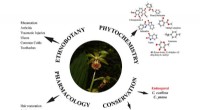
* Orchids: These flowers often rely on specific insect pollinators that are attracted to their unique shapes, colors, and fragrances.
* Mistletoe: This parasitic plant relies on birds to spread its sticky seeds to new host trees.
* Acacias: These trees provide food and shelter to ants, which in turn defend them from herbivores and competing plants.
In summary, plants depend on animals for a variety of crucial ecological functions that enable their survival, reproduction, and the maintenance of plant diversity. This intricate interdependence highlights the delicate balance within ecosystems and the importance of conserving both plant and animal life.