The process of gamete formation, called gametogenesis, differs significantly between male and female animals. Here's a breakdown of the key differences:
1. Starting Cells:
* Males: Gametogenesis begins with spermatogonia, diploid cells found in the seminiferous tubules of the testes.
* Females: Gametogenesis starts with oogonia, diploid cells present in the ovaries.
2. Meiosis:
* Males: Meiosis in males is continuous from puberty onwards. Each spermatogonium undergoes meiosis I to produce two secondary spermatocytes. These then undergo meiosis II to form four haploid spermatids.
* Females: Meiosis in females is discontinuous, starting in the fetal stage and resuming after puberty. Each oogonium undergoes meiosis I to produce one secondary oocyte and one polar body (a small cell with little cytoplasm). This process is arrested at prophase I until puberty. After puberty, one oocyte per month completes meiosis I, producing one large secondary oocyte and another polar body. The secondary oocyte proceeds to meiosis II, but stops at metaphase II. It will only complete meiosis II if fertilization occurs.
3. Gamete Structure:
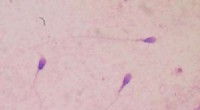
* Males: Spermatids differentiate into sperm, highly motile cells with a head containing the haploid nucleus, a midpiece with mitochondria for energy, and a tail for movement.
* Females: The secondary oocyte develops into a mature ovum (egg cell). The egg is larger than sperm, contains abundant cytoplasm and yolk for nourishing the embryo, and is non-motile.
4. Gamete Production:
* Males: Spermatogenesis produces a large number of sperm cells continuously throughout a male's reproductive lifespan.
* Females: Oogenesis produces a limited number of eggs, usually one per month after puberty, and this process ceases at menopause.
5. Timing:
* Males: Gamete formation is initiated at puberty and continues throughout a male's reproductive life.
* Females: Gamete formation begins during fetal development, is paused during childhood, and resumes at puberty. It stops at menopause.
In Summary:
Male and female gamete formation differ in their starting cells, timing, process of meiosis, and the structure and function of the final gametes. These differences reflect the unique roles that sperm and eggs play in sexual reproduction.