Here's a breakdown of key contributors:
* Robert Hooke (1665): Hooke was the first to use the term "cell" after observing the compartments in cork under a microscope. He didn't, however, realize these cells were the basic unit of life.
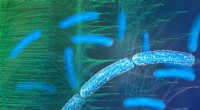
* Anton van Leeuwenhoek (1674): Leeuwenhoek was the first to observe living cells, including bacteria, protozoa, and red blood cells.
* Matthias Schleiden (1838): Schleiden proposed that all plants are composed of cells.
* Theodor Schwann (1839): Schwann extended this idea to animals, proposing that all living things are composed of cells.
* Rudolf Virchow (1855): Virchow added the crucial concept of "Omnis cellula e cellula," meaning all cells arise from pre-existing cells.
Therefore, while Hooke's observations were foundational, it was the combined work of Schleiden, Schwann, and Virchow that solidified the cell theory as we know it today.