Here's a breakdown:
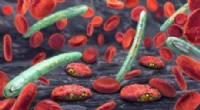
* Cells: The basic building blocks of all living things. They are specialized to perform specific tasks.
* Tissues: Groups of similar cells that work together to perform a specific function. There are four main types of tissues:
* Epithelial tissue: Covers surfaces, lines cavities, and forms glands.
* Connective tissue: Supports and connects other tissues.
* Muscle tissue: Allows movement.
* Nervous tissue: Transmits information throughout the body.
* Organs: Structures made up of different tissues that work together to perform a specific function. For example, the heart is made of muscle tissue, connective tissue, epithelial tissue, and nervous tissue.
Think of it like this:
* Bricks: Individual cells
* Walls: Tissues, made of many bricks working together
* Buildings: Organs, made of different walls working together
So, organs are complex structures made of different tissues working together to carry out a specific function.