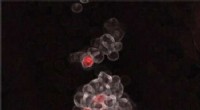
Cell division is the process by which a single cell divides into two or more daughter cells. This increases the number of cells within the organism, contributing to overall growth. There are two main types of cell division:
* Mitosis: This produces two identical daughter cells, each containing the same genetic material as the parent cell. This is responsible for growth and repair of tissues.
* Meiosis: This produces four daughter cells, each with half the genetic material of the parent cell. This is important for sexual reproduction.
Cell differentiation is the process by which cells become specialized in structure and function. After cell division, cells can undergo differentiation to become specific types of cells, such as muscle cells, nerve cells, or skin cells. This allows for the development of different tissues and organs within the organism.
Together, cell division and differentiation allow for the increase in cell number and complexity, driving the internal growth of an organism.